Transmission Repair vs Replacement: Questions Before a Major Bill
Shifting complaints can originate from fluid, electronic controls, mechanical wear or other drivetrain problems. It is worth considering the full decision rather than just the most visible expense or the most convenient initial fix. The right scope depends on facts that can be checked and discussed.
This guide explains how to evaluate the key choices, document the relevant facts, and ask better questions before committing. It focuses on common U.S. consumer situations; local requirements, specific contracts and individual circumstances still matter.
What the evidence should show
Document when symptoms occur, any leaks, service history and diagnostic findings including relevant manufacturer procedures.
Follow manufacturer-recommended intervals and verify recall status using the official NHTSA VIN lookup. The aim is to create a short evidence trail that another qualified person could independently review, rather than basing a decision on memory or a single headline figure.
- Write down the facts that relate directly to transmission repair vs replacement and record dates or model details where relevant.
- Ask for returned parts where appropriate, the completed repair order and applicable warranty terms.
- Clarify what has been inspected or verified and what still remains an assumption.
Choosing an appropriate approach to transmission repair vs replacement
Compare targeted repair, rebuilding and replacement options with clearly described warranties and installation scope.
A useful comparison separates what each approach solves, what it leaves unresolved, the time or effort involved, and the conditions under which the recommendation would change. Where a provider offers only one path, request an explanation of why plausible alternatives are unsuitable.
How to test the recommendation
Ask for the scope in writing. Identify exclusions, dependencies, approval steps and what happens if new information appears after work begins. A good diagnosis explains how the symptom was reproduced or measured, not just which part the shop proposes replacing.
Scope, exclusions and cost
A repair quote can vary because shops use different diagnostic processes, labor rates, parts quality and warranty terms. Price alone is not proof of the better solution; the underlying diagnosis and included work should be comparable.
The most useful comparison is a like-for-like comparison. A lower headline charge may shift work or financial risk onto the customer, while a higher quote may contain meaningful services that the other proposal excludes. Put the assumptions side by side and ask the provider to mark any missing line items.
- What measurements and tests support the repair?
- Is the part new, remanufactured or used, and what warranty applies?
- Will you contact me before exceeding the approved amount?
A practical example

A vehicle owner requests a second opinion because the first estimate calls for a whole transmission without documented testing.
The important lesson is not that everyone should reach the same conclusion. It is that the decision follows documented needs, comparable proposals and a clear explanation of what success would look like. A second evaluation is especially valuable when the stakes are high, the diagnosis is uncertain or the alternatives differ substantially.
What to avoid before committing
Driving with severe slipping or overheating may worsen damage and is not a safe way to gather more symptoms.
Another mistake is overlooking what happens after signing or paying. Keep records of the agreed scope, future obligations, cancellation rules where applicable, and the contact to use if the result does not meet expectations. Ask about warranty coverage for both parts and labor before approving a costly repair.
A short checklist before moving forward
- Record the symptom, when it occurs and any warning lights before visiting a shop.
- Request a written estimate identifying diagnostics, labor, parts and authorization limits.
- Ask for returned parts where appropriate, the completed repair order and applicable warranty terms.
Frequently asked questions
Is the least expensive option always best for transmission repair vs replacement?
No. Compare the result being purchased, the quality of the underlying evidence, what is excluded and the practical cost if the option does not work as intended. Seek clarification when two proposals use different assumptions.
When should I ask for a second opinion about transmission repair vs replacement?
Consider another qualified assessment when major expense, safety, legal rights or an irreversible change is involved; when the explanation is unclear; or when estimates propose fundamentally different solutions.
Important context
Vehicle work can involve hot components, moving belts, high voltage, heavy loads and safety-critical braking or steering systems. Follow the manufacturer’s manual and use a qualified technician for unsafe or complex repairs. Recall status is checked using the official VIN tool.
Related articles in this topic
- Brake Pad and Rotor Replacement: How Shops Determine the Scope
- Air Conditioning Repair in Cars: Leak Test Before Recharge
Further reading and sources
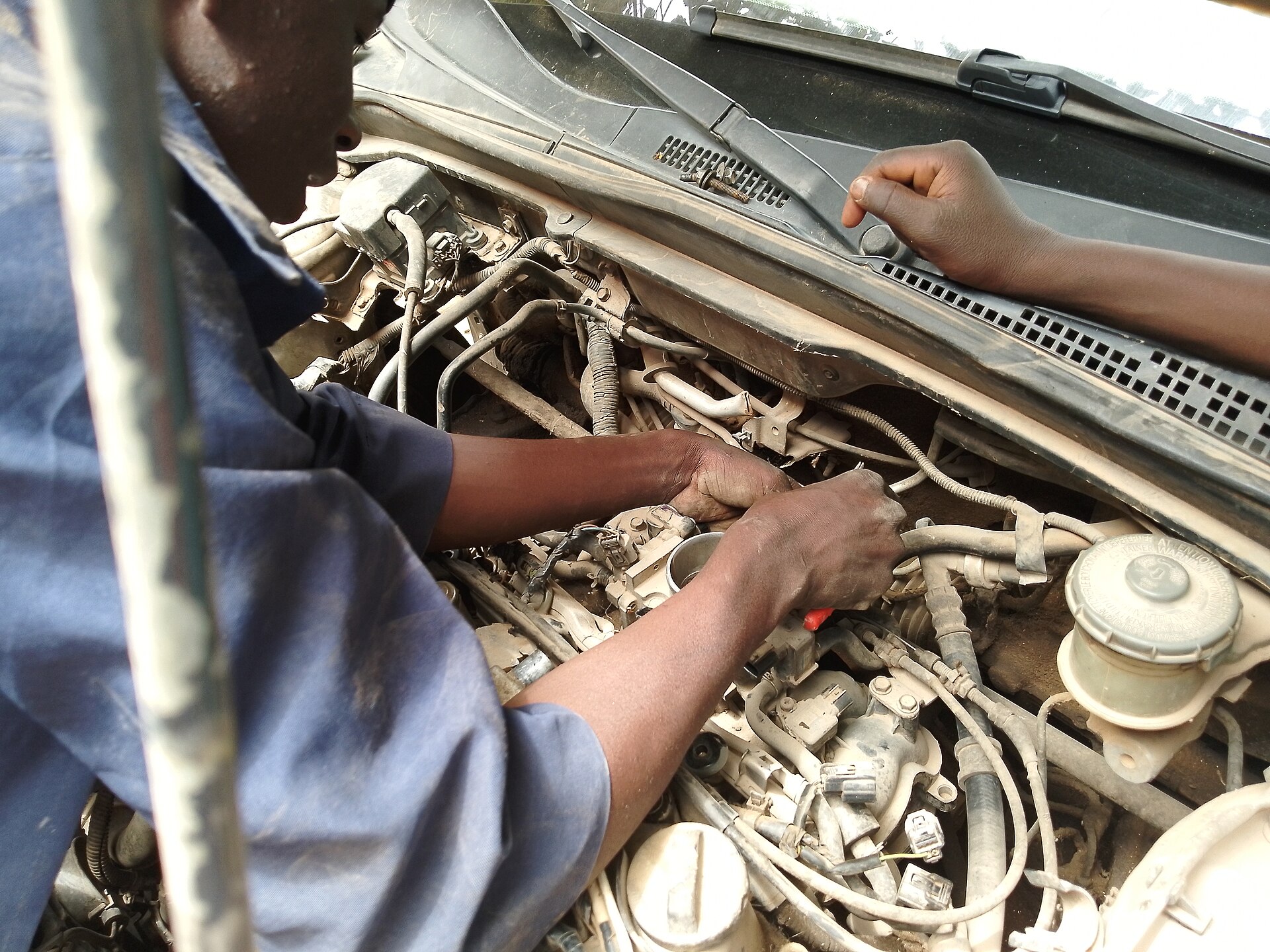
Featured image — Photo: Bembety · CC0